

By Katarina Thor
Over the years, many people have encouraged me to write a book about the inspections I’ve conducted—each one unique, sometimes surprising, and always a reminder of how important it is to stay open-minded as an inspector.
So, over the next few weeks, I’ve decided to share a few of these experiences with you.
Informed consent
According to ICH E6 GCP and Helsinki declaration, informed consent requires that participants receive clear, complete information about a study’s purpose, risks, and benefits. Participation must be entirely voluntary, with the right to withdraw at any time.
But what happens when the country’s cultural norms around the informed consent process differ from what you expect—and the approach in use has been approved by two separate Independent Ethics Committees (one local and another in the UK)?
In this trial conducted in Ghana, the protocol and informed consent documents explicitly stated that the first person to be approached about participation was the village elder, who would decide whether the children in his village could take part. If he agreed, the Investigator would then seek permission from the child’s father, and finally from the mother.
The concern, of course, was whether the parents’ consent was truly voluntary. Could the father— or especially the mother — realistically refuse if the village elder had already approved participation? Complicating matters further was the fact that ultimately all children in the village were enrolled in the trial.

After extensive discussions with the village elders, the site team, and the local Ethics Committee, we ultimately agreed not to issue a finding on this matter.
Another challenge we encountered at the site was that many parents were unable to sign informed consent form due to illiteracy. In these cases, consent was documented using their fingerprints in place of a signature.
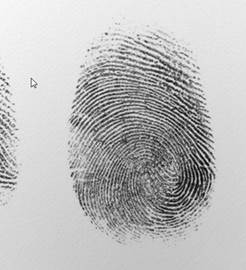
But how do you verify that the fingerprints truly belong to the parents—and not to someone on the trial team? To address this, we took three steps:
- collected fingerprints from all site staff
- compared the fingerprints on the informed consent with the ones in the medical records, and
- physically overlaid the fingerprints to check for matches (using a window as a light source).
After reviewing fingerprints for hours, we were finally able to confirm that everything was in order. As I recall, the inspection resulted in only a few minor deviations, but the process required us to think creatively and approach several issues from completely new angles.
Like 25 years of archiving? Read more about this topic in the upcoming post.