
Pharmaceutical manufacturing
Pharmaceutical manufacturing is where quality becomes visible every day. Unlike development environments, manufacturing quality is demonstrated through consistent execution, controlled change, and reliable decision‑making over time.
In this context, regulators do not assess intentions or plans. They assess whether the organisation consistently operates in a state of control, and whether management understands and manages risk across processes, systems, and supply chains.
Why QAlliance
QAlliance brings senior manufacturing quality experience grounded in real GMP responsibility and inspection exposure. We understand how quality decisions affect day‑to‑day operations and help organisations maintain control without creating unnecessary friction. This enables teams to keep supply reliable while remaining confident under regulatory scrutiny.
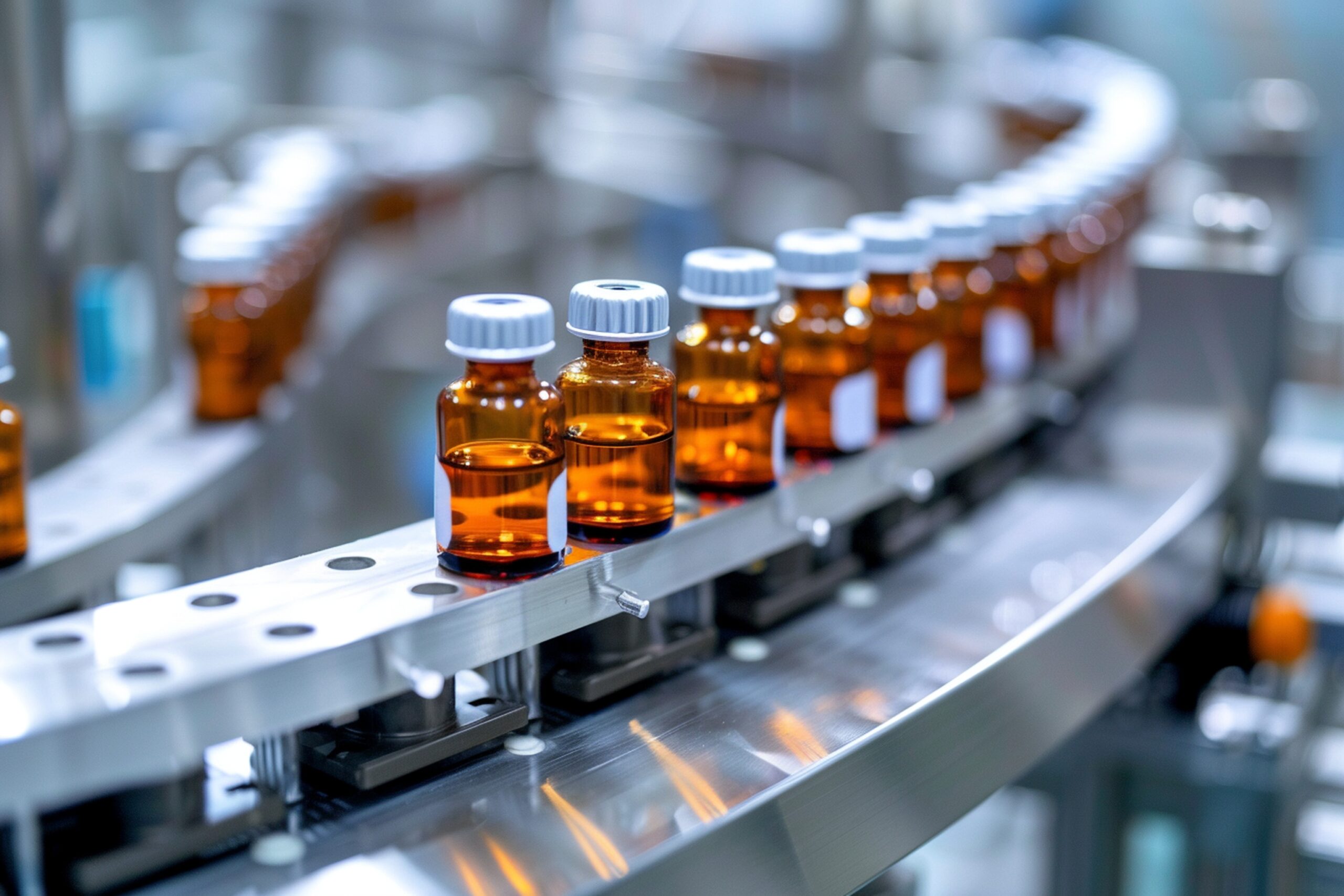
Typical challenges in pharmaceutial manufacturing
In our experience, quality issues in pharmaceutical manufacturing rarely stem from a single failure. They more often reflect loss of control over time, especially during growth, change, or increased regulatory scrutiny.
Common challenges include:
Systems that look mature, but are fragile in practice
Processes exist, but small disruptions quickly lead to deviations or workarounds.
Change accumulating faster than control
Process updates, equipment changes, system upgrades, or supplier changes are handled individually, but not always from a lifecycle perspective.
CAPAs that close issues without strengthening the system
Problems are addressed, but similar events reappear because root causes were not system‑level.
Over‑reliance on experienced individuals
Control depends heavily on a few key people rather than on robust, shared processes.
Inspection readiness driven by timing
Quality effort peaks before inspections instead of being embedded in routine operations.
What is expected of a quality responsible
Quality responsibility in pharmaceutical manufacturing means maintaining control while production continues.
It involves being able to:
- ensure GMP requirements are met without disrupting supply
- distinguish between acceptable operational variation and genuine compliance risk
- manage change without destabilising validated or controlled states
- explain how control is maintained across shifts, sites, and suppliers
This role requires confidence, consistency, and judgement — especially when quality decisions have immediate operational or commercial impact.
A few practical examples
Scaling from clinical to commercial manufacturing
Quality systems need to evolve without breaking operational routines.
Introducing new equipment, processes, or digital systems
Change must be controlled so validation and compliance are maintained over time, not just at go‑live.
Managing complex supply chains or external manufacturers
Oversight must be effective even when day‑to‑day operations are not in‑house.