
Governance and Leadership
Strong quality governance is not about hierarchy or documentation volume. It is about accountability, clarity of decision‑making, and the ability to act with confidence when regulatory responsibility rests with the organisation. Governance defines who owns quality decisions, how risks are escalated, and how leadership demonstrates control across the organisation.

- QP/RP services
- QA resources and consultancy
When governance becomes the bottleneck
Organisations typically reach out when one or more of these “moments” occur:
Growth or transition
moving from research into regulated development, scaling clinical activity, tech transfer, or expanding to additional regions or sites.
Increased external dependency
more CROs, CDMOs, labs, or platform vendors—without a matching increase in sponsor oversight capability.
Inspection pressure
an upcoming inspection, recurring observations, or concern that internal decisions will not withstand scrutiny.
Quality leadership gap
a senior QA leader leaves, a QP/RP role becomes a single point of failure, or the quality unit is not empowered to make hard calls.
What 'good governance' looks like in a regulated context
Clear accountabilities and decision rights
- who owns the system, who approves risk decisions, and what cannot be delegated.
- how quality decisions are escalated and documented when timelines or commercial priorities push in the opposite direction.
Leadership that makes quality operable (not bureaucratic)
A common failure mode is building governance “around” the business instead of into it. Effective leadership integrates quality into operational planning and resourcing, and uses risk-based thinking to focus effort where it matters most—consistent with ICH Q10’s emphasis on state of control and quality planning, and with EU GMP Chapter 1’s emphasis on an adequately resourced PQS.
Oversight models that scale with outsourcing
In modern development and manufacturing, governance must cover outsourced activities with the same seriousness as internal operations. ICH Q10 explicitly addresses management of outsourced activities as part of management responsibility.
How QAlliance typically supports
QP/RP sevices (continuity and regulatory confidence)
Where this becomes valuable
- when the existing QP/RP arrangement creates key-person risk
- when you need an independent, senior release decision
- when you need stronger linkage between release decisions, deviations, change control, and supplier oversight
QA leadership resourcing (interim, embedded, or advisory)
Typical roles
- Interim head of quality / quality director support
- Governance set-up during scale-up (boards, committees, escalation routes)
- Strengthening quality unit authority and interfaces with operations
- Management review and quality performance reporting aligned with leadership expectations described in ICH Q10.
Governance design that links to the quality system
- Quality management system design and optimisation
- Risk management and quality planning
- Change control, deviations, and CAPA effectiveness
- Supplier oversight and quality agreements
Examples of problems we help resolve
“We have SOPs, but decisions are inconsistent.”
We map decision rights, define escalation paths, and introduce management review discipline that ties performance, deviations/CAPA, and resourcing decisions together—aligned with ICH Q10 management review principles.
“Our quality unit is not empowered.”
We clarify authority boundaries and ensure written procedures and approval/rejection responsibilities are unambiguous—mirroring the regulatory expectation that the quality unit has defined authority and documented procedures that are followed.
We design a sponsor/vendor oversight model that matches risk and complexity, and connect it to quality agreements, audit plans, and KPIs—consistent with ICH Q10’s expectations around outsourced activities.
We provide QP/RP support as part of a broader governance model so release decisions remain integrated with investigations, change control, and supplier quality—not isolated “sign-offs”.
What to expect from us
Expect:
- Senior consultants who can make and defend decisions
- Pragmatic governance that supports delivery while maintaining control
- Documentation that is inspection-credible because it reflects how you actually work
Don’t expect:
- Template-heavy systems that look good but don’t survive real pressure
- “One size fits all” governance models that ignore your operating reality
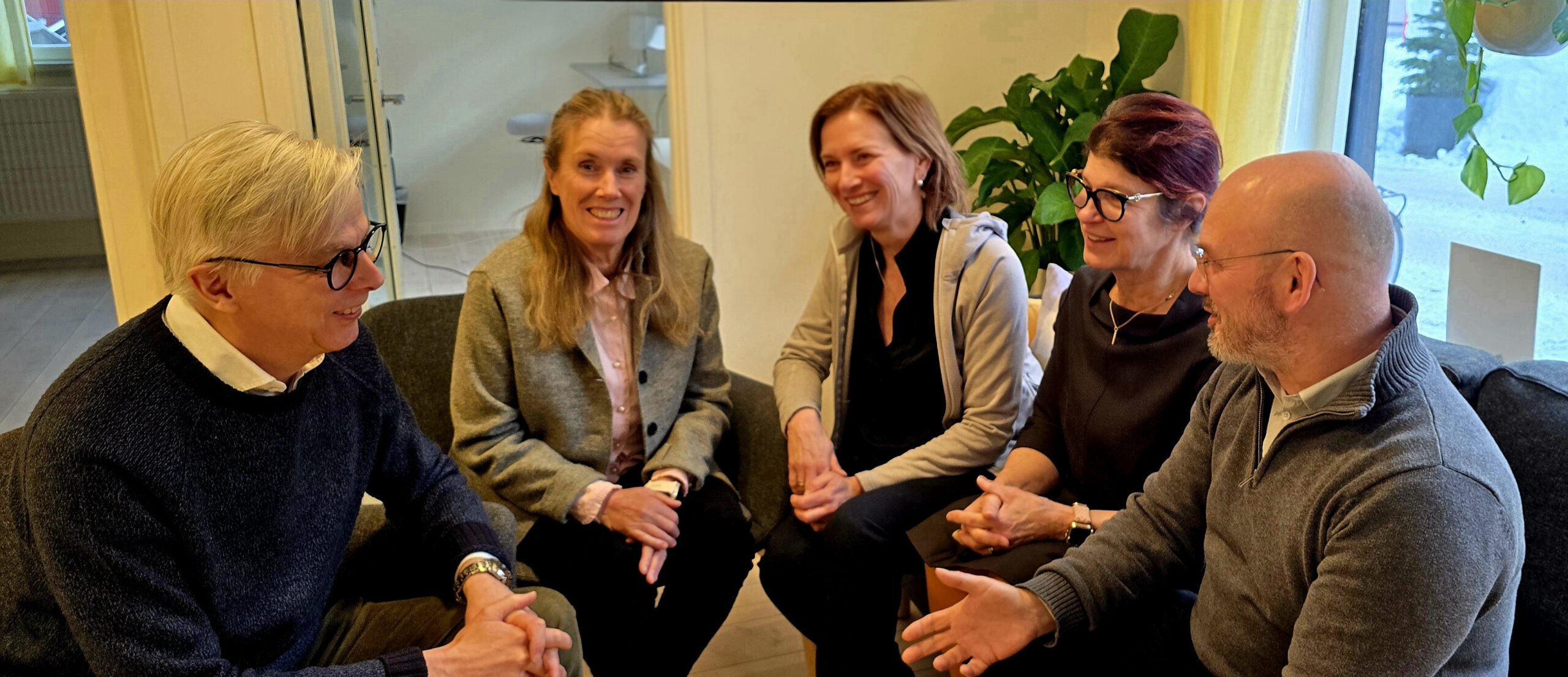
If governance and leadership is where you are feeling friction—unclear ownership, stretched QA leadership, or QP/RP continuity risk—this is usually a sign that the organisation is entering a new maturity stage. EU GMP and ICH Q10 both make senior leadership accountability explicit; the practical question is whether your governance model matches that accountability in real operations.
A short, structured conversation is often enough to clarify:
- what decisions are currently “floating”
- where authority is unclear or ineffective
- which governance elements will reduce risk fastest without adding bureaucracy