
Every now and then, we all need a reality check.
If you’re looking for one on GCP with plenty of case studies, make sure to book 1-2 October for an advanced training with Katarina Thor.

Every now and then, we all need a reality check.
If you’re looking for one on GCP with plenty of case studies, make sure to book 1-2 October for an advanced training with Katarina Thor.
By Katarina Thor
Fraud during GCP inspections is uncommon, but it does happen. Even small inconsistencies can reveal serious issues with data integrity or documentation. The cases below show how quickly problems can escalate during an inspection and why careful oversight is so important.
Locked in by the Investigator
During a routine GCP inspection at a clinical research site, when we started reviewing source documents, we immediately noticed irregularities. Vital signs copied across multiple visits, backdated entries, and investigational product logs that didn’t match the inventory logs.
When we requested additional records, the Principal Investigator abruptly stepped into the hallway and locked the office door from the outside. We were locked in!
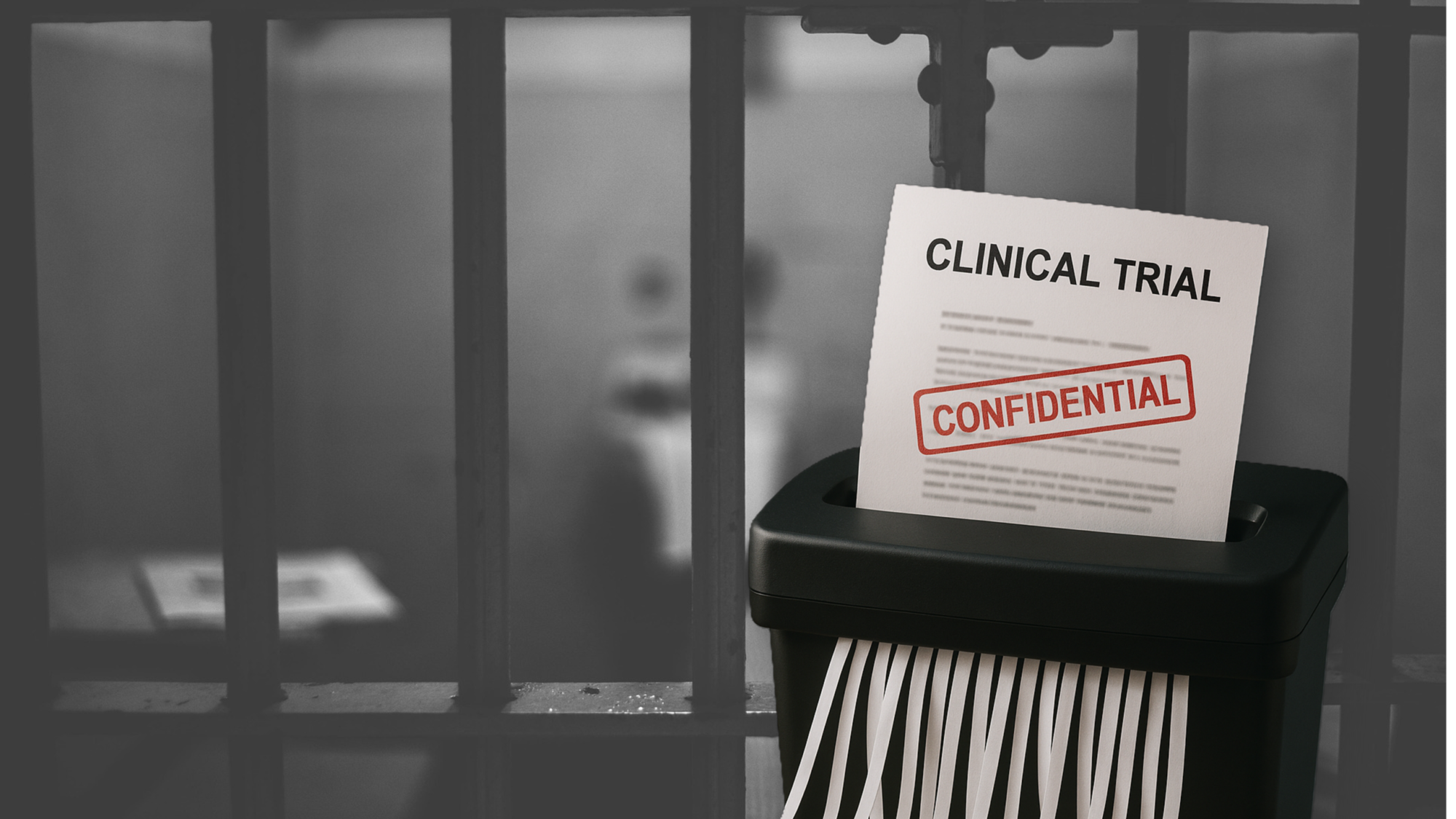
A moment later came the unmistakable sound of a paper shredder shrrrrrr…chunk….shrrrrrrr., running continuously just beyond the door.
Listening to that sound we realized that documents were being destroyed, but we couldn´t do anything, except to call our colleagues at the local health authority, which alerted the police.
Within minutes, police arrived at the clinic, forced open the locked door and we were let out. The Investigator was all long gone, and I do have to admit that I was a bit scarred …
The investigation conducted later by the local Heath Authority revealed extensive backdating, unauthorized alterations to source data, and fabricated vital sign entries, far beyond what we originally suspected.
We got vaccine for free at the factory!
This was a for cause inspection, but it started just like any other inspection, as we did not want the clinic to think that we suspected fraud.
The clinic looked spotless, the documents were perfectly organized, and every patient file seemed almost too complete.
We compared visit dates, signatures, and vaccine administration records, and a pattern emerged: every patient listed had identical handwriting in the paper diaries, identical timing for their visits, and the ECG looked the same. It was as if the study participants didn’t really exist.
As this inspection was conducted with the inspectors from the local Health Authority, we asked them to contact the Ethic Committee to ask for permission to contact the participants. The approval was given immediately.
When we asked the Investigator if we could meet with one of the study participants, the site staff hesitated, but after several requests, the truth finally surfaced.
The “patients” were actually workers from a local factory. The investigator had visited the factory and recruited them without explaining that this was a clinical trial. He told them the vaccine was simply a free health service provided by the factory owner. No informed consent was ever discussed or signed, and none of the workers knew they were taking part in research.
For this the Investigator were sent to prison and of course the data could not be used.
by Katarina Thor
How IMP meets its end, sometimes in very surprising ways
Various Approaches to IMP destruction: Open fire
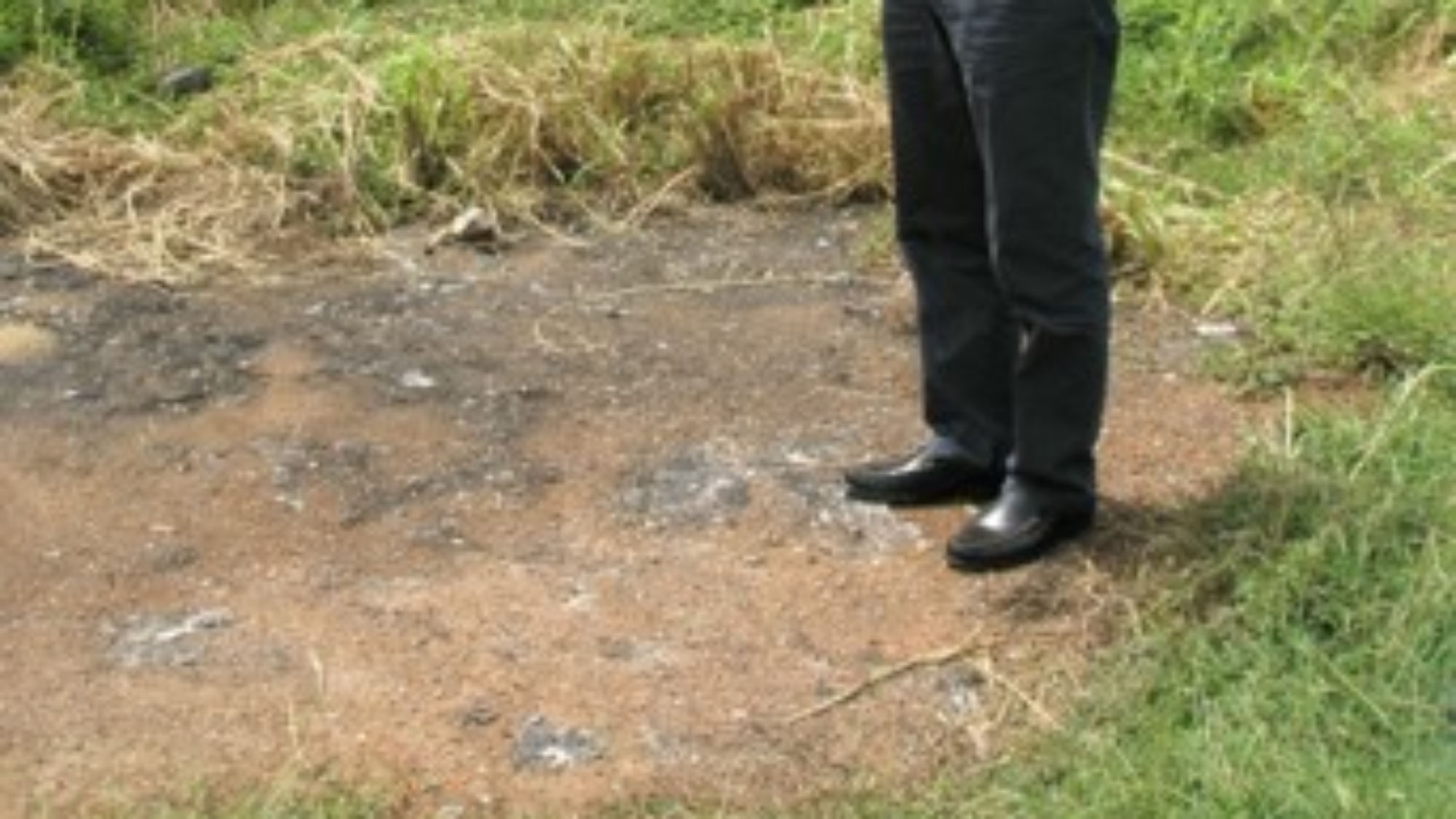
Sometimes your instincts kick in as an inspector, and this was one of those moments. During one inspection, we asked to see where the study drug was destroyed, since the site insisted it was all handled on‑site. The investigator immediately agreed, but said we’d need to wait two to three hours.
When we asked why, he couldn’t give a clear answer. And of course, that’s when the inspector brain starts buzzing: What are they hiding? What’s being “prepared” right now?
As it turned out, the truth was far less dramatic, but unexpectedly charming.
They needed time to cut the grass around the destruction area, to make sure there were no snakes. Once we heard that, we were more amused than suspicious and very appreciative of the effort.
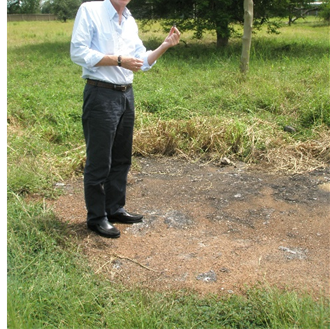
But then came the real issue. Their destruction method? An open fire.
And the IMP? In glass vials, which meant that after burning, the only thing destroyed was the label, so it turned out to be a quite severe finding.
The many (and sometimes questionable) ways IMP is destroyed: Pharmacy was gone!
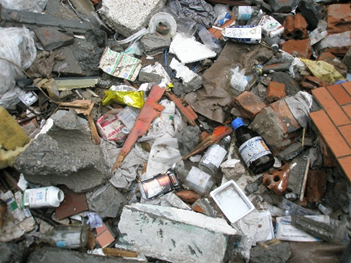
In this case, the picture really speaks for itself. Neither the sponsor nor the inspectors had any idea that the pharmacy was being demolished. When we arrived, instead of a functioning facility, we were met with torn walls, tools everywhere, and a space clearly mid‑renovation. It was an unexpected surprise for everyone and a moment where no explanation was really needed.

by Katarina Thor
Storage of IMP
As you may have noticed, inspectors love to wander—really wander. And one place I was particularly drawn to was the kitchen, home of two important things: the coffee machine…and the refrigerator.
Now, I’ll admit, my visits weren’t driven only by a craving for caffeine. I was equally eager to look at the refrigerator. During several inspections, I came across temperature logs taped to the refrigerators. Curious, right? Why would a kitchen fridge need a detailed temperature log? And even more intriguing, why did the log sheets proudly display different sponsor names?
In one memorable case, there were three logs, three thermometers, and naturally the next question was: If they all show different temperatures…which one are we supposed to trust?
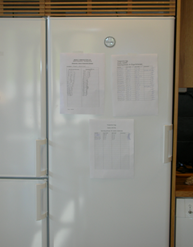
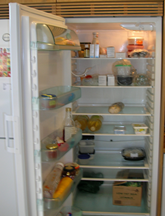
But the real surprise came when I asked if I could take a look inside, the Investigator opened the door and there it was: IMP from different trials, sitting casually on the shelves. When I explained why this was completely inappropriate, his face turned bright red. He quickly apologized and insisted that they only “used the upper shelves for IMP” so no food would drop down and that “different studies had different designated shelves”. Needless to say, that didn’t quite resolve the issue.
Temperature logger
You might think this is ancient history that everyone nowadays uses fancy temperature loggers instead of handwritten logs, but not in all trials and sites.
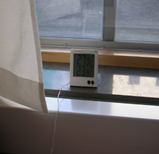
At this particular site, they kept struggling with soaring temperatures during the summer. It was a tiny clinic with limited space, and they were genuinely baffled about how to fix the issue. Turns out, the solution was almost comically simple: the thermometer was living its best life in the windowsill, basking in bright sunlight, instead of being placed in the cabinet where the IMP was actually stored. So yes, that was an easy fix and mystery solved. Just a bit unfortunate that it had to show up as an inspection finding first.
By Katarina Thor
As an inspector you see all kinds of contracts, some done by a legal firm, some done by a trial team, and some not done at all……
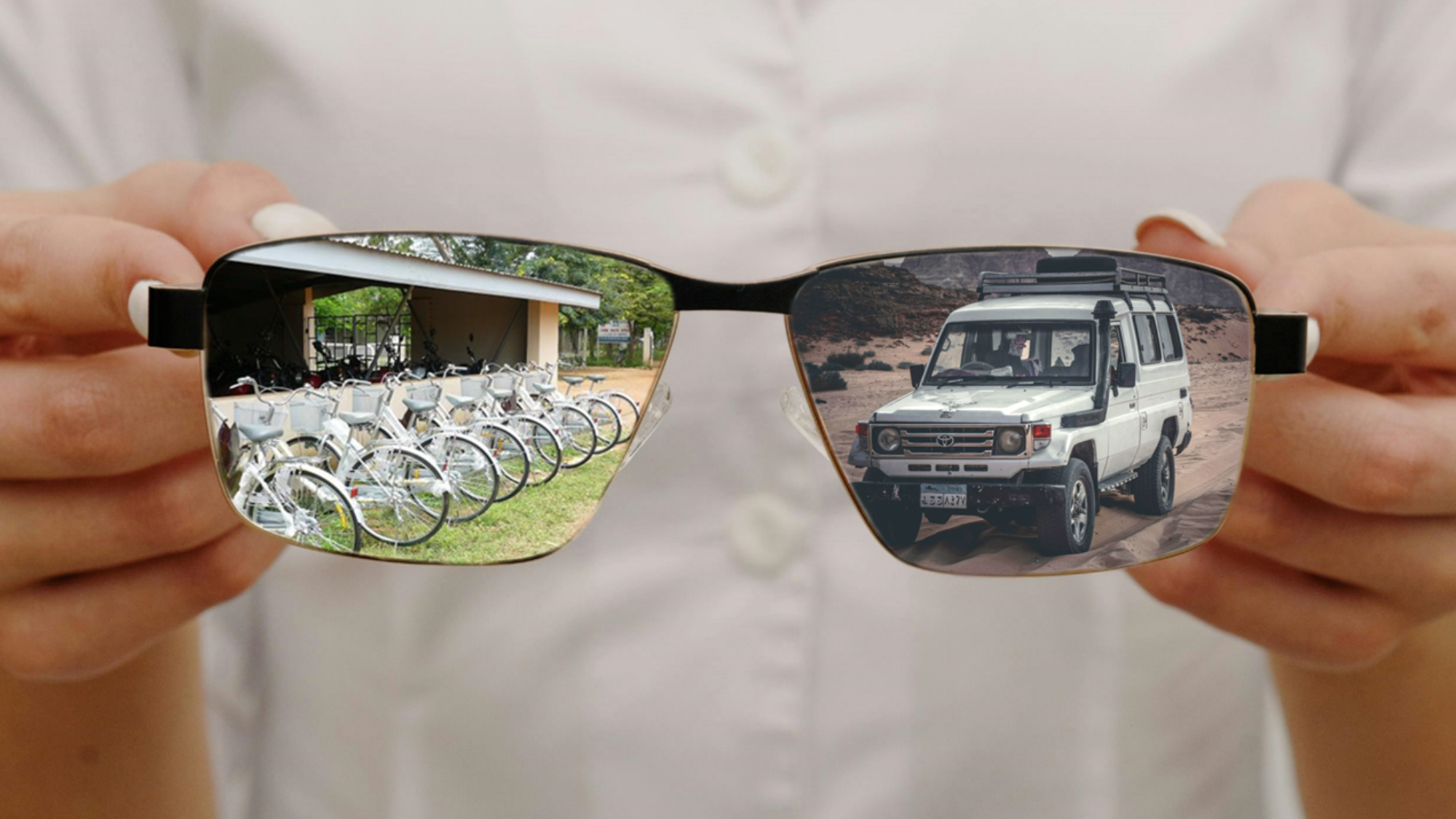
The contract with 15 bicycles and two 4WDs
When a global sponsor initiated a clinical trial in a rural region of west Africa, it quickly became clear that a standard contract template would not address the realities on the ground.
The site, a district hospital supported by a network of small communities, served a population spread across long distances, with extremely limited transportation options.
During the inspection, we learned that many children were unable to participate because their parents could not afford to leave their daily work, especially subsistence farming and market selling. Even a half‑day trip to the clinic meant a loss of income, and for some families, that lost income meant no food for the evening. Additionally, the road infrastructure was poor, with narrow dirt tracks, frequent flooding, and areas that became completely inaccessible during the rainy season.
To address these barriers, the sponsor and the investigator jointly designed a contract tailored to the setting. The contract included 15 locally sourced bicycles assigned to the study nurses.
Their purpose was twofold:
Due to the difficult terrain and the unpredictable weather, the contract also included two four‑wheel‑drive vehicles dedicated to emergency use, both for transporting participants with urgent symptoms to the district hospital but also to ensuring safe travel for staff during critical follow-up or safety assessments. This also maintained continuity of trial visits even when roads became flooded or impassable.
The Investigator had previously experienced delays of up to five hours trying to transport acutely ill patients on motorcycle taxis or makeshift carts. The sponsor therefore deemed the 4WDs a necessary safety measure for trial integrity and participant wellbeing.
The tailored provisions were built directly into the clinical trial contract, outlining ownership, maintenance responsibilities, safety procedures, and designated use. The inclusion of bicycles and 4WD vehicles ensured:
What began as an unconventional request. 15 bicycles and two 4WDs in a clinical trial contract became a thoughtful example of culturally and operationally sensitive trial design, grounded in respect for participants and the realities of their daily lives.
No contract, but the ophthalmologist got paid for all his patients
During a multi‑center diabetes clinical trial, one Investigator engaged a neighboring ophthalmologist to perform trial related eye assessments for enrolled patients. Although they verbally discussed expectations, timelines, and compensation, no written agreement or contract was ever established‑.
Despite the lack of documentation, the ophthalmologist proceeded to conduct visual acuity testing and ocular examinations for several participants, following routine clinical practice rather than the study protocol. After completing the assessments, he submitted his findings to the Investigator and informed the sponsor of the number of examinations conducted. However, his invoice also included examinations performed on his regular, non-trial‑ patients.
During the inspection, the inspectors reviewed site documentation and identified major issues:
When questioned, the Investigator acknowledged that he had assumed the sponsor had a direct contract with the ophthalmologist, as payments were being made. However, no documentation existed defining the scope of work, training, delegation of responsibilities, compensation terms, or requirements for protocol and GCP compliance. The incident ultimately served as an important learning point for the sponsor: all individuals or service providers performing trial-related tasks must have clear, documented agreements in place before undertaking any study procedures, in line with ICH GCP requirements. The resulting data could not be used for the clinical trial.
Happy that we can contribute to the yearly conference at RQA in London as part of the conference programme committee.
This is a testimate to the quality that we can bring with Katarina Thor and the rest of the team at QAlliance to the quality community and our customers.
See you in London!
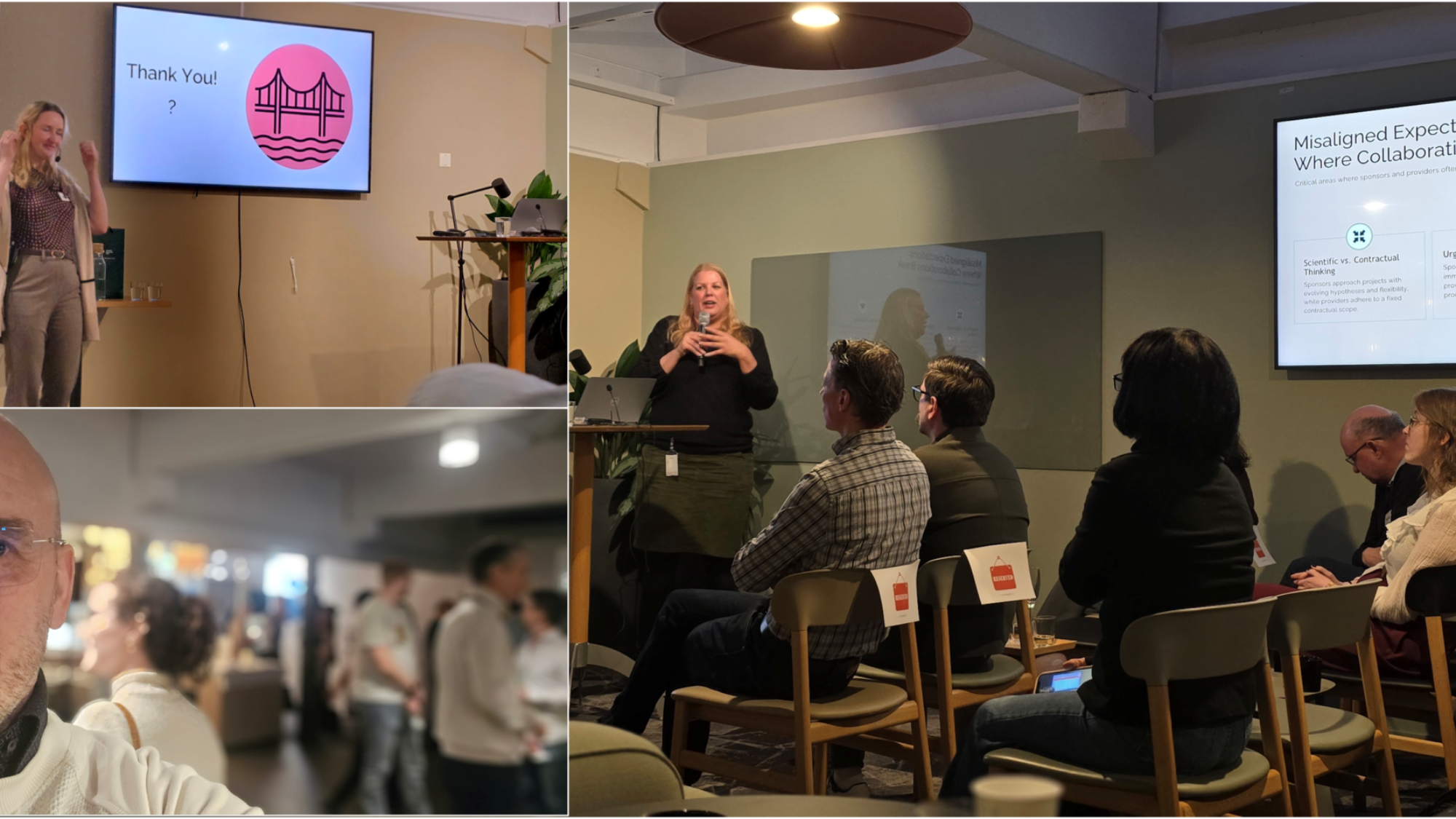
By Raf Lemmens
Outsourcing may speed things up, but responsibility never leaves the sponsor.
Today’s ’Co‑creation: Science in Collaboration’-event at Uppsala Business Park was a good reminder of that.
A few reflections that stuck with me:
– Rosanne Veerman shared Strike Pharma AB product development journey and clearly showed that choosing a Contract Research Organization (CRO) is about much more than availability. Relevant expertise and real collaboration experience matter — often more than we’d like to admit at the start of a project.
– Antonio Bermejo Gómez brought Synartro’s journey to life and illustrated something many small or virtual biotech companies recognize: without strong scientific leadership and solid project management, juggling multiple CROs quickly becomes a bottleneck rather than a solution.
– Marie Wik shared thoughtful reflections on internal vs external research. What stayed with me was her emphasis on expectation setting. Many CRO challenges don’t start with bad science, but with misaligned assumptions about roles, decisions, and ways of working.
And this is where governance comes in.
From both an EU and US regulatory perspective, the sponsor always remains accountable, regardless of how much work is outsourced. That means “getting to know your CRO” is not a nice‑to‑have. It’s part of your responsibility. Beyond technical capability, it’s about understanding a partner’s quality culture, mindset, and decision‑making.
Good CRO governance isn’t about adding bureaucracy. It’s about creating the conditions for collaboration to work, while keeping ownership and accountability where they belong.
A valuable reminder that successful outsourcing starts long before the first study begins.
Thanks to the speakers and organizers for a thoughtful and inspiring event.
By Katarina Thor
One week before the inspection was scheduled to begin, we received a call from a very distressed Principal Investigator (PI)—almost in tears—because he could not locate the essential trial documents. He suggested cancelling the inspection altogether, saying that both he and the sponsor were prepared to accept the consequences, even though he had previously expressed how much he was looking forward to our visit.
As an inspector, receiving such a call immediately raises red flags. Something was clearly wrong, and we needed to understand what had happened.
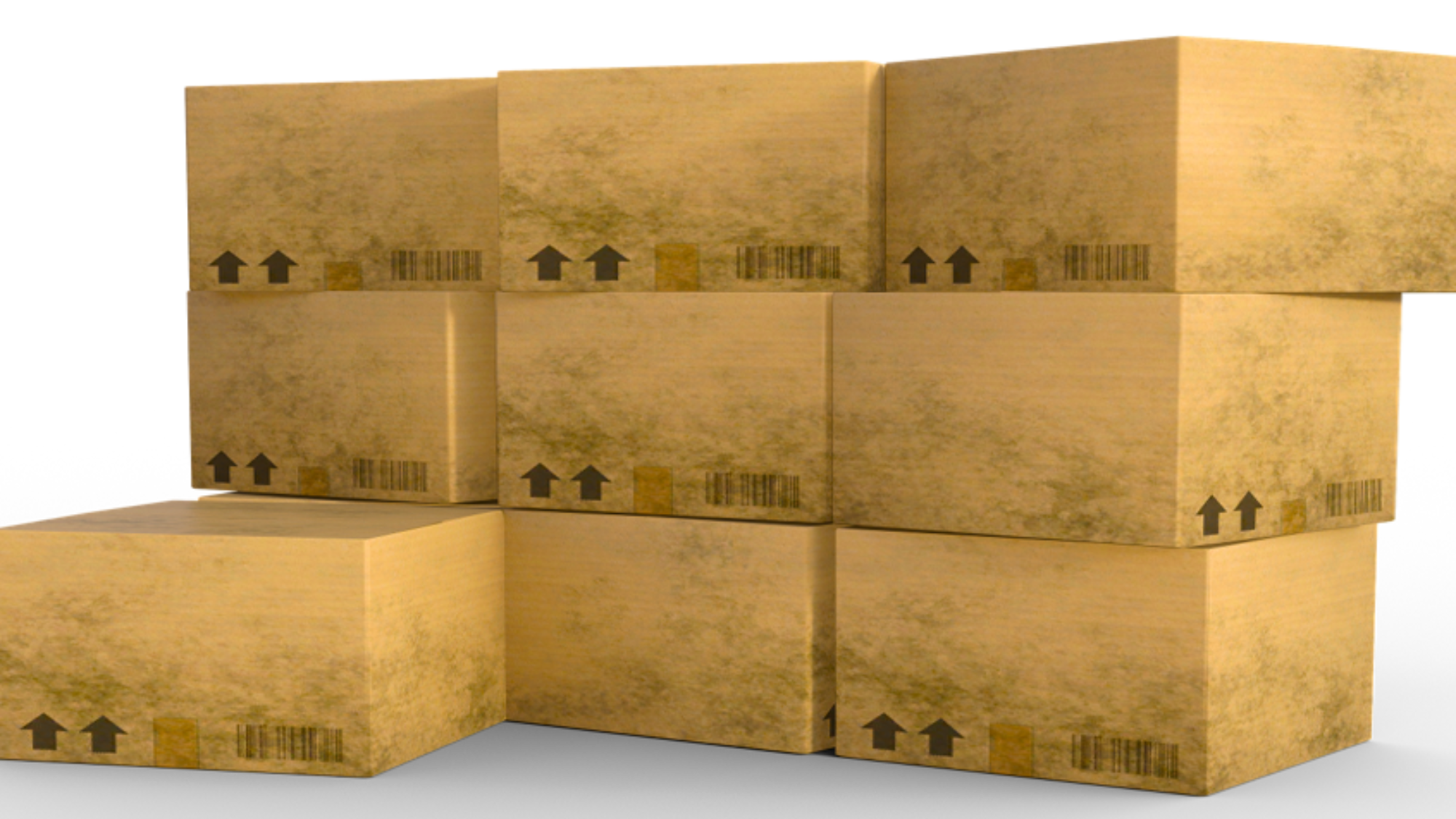
The PI explained that the site had used an external archive service. Everything appeared to be in order: a contract was in place, a storage number had been assigned, and a contact person had been identified. However, when it came time to send the document boxes, the site had arranged for the pick‑up company to collect them from the loading dock—and then simply left the boxes on the dock for pickup. That decision turned out to be a critical mistake. At some point, someone else must have picked up the boxes.
Even if most of the documents were gone, we decided to make an attempt to reconstruct the trial documentation, even though this would inevitably lead to issuing a critical finding to the site.
Our biggest question became: Where could we possibly retrieve the missing documents?
To tackle the situation, we agreed on the following actions:
Nine out of the eleven participants returned to the clinic with copies of their informed consent forms. The remaining two provided personal letters to the PI confirming their participation. All medical records were stored in the electronic system, so there were no issues with source data.
The Ethics Committee, the Biobank, and the Health Authority provided the documents they had on file. The sponsor compiled everything recoverable from the TMF. Inevitably, some documents remained missing—such as the patient identification list and the original essential documents that should have been archived at the site.
The most significant challenge, however, involved laboratory data and information stored in a decommissioned vendor system. These records had not been archived properly and were missing the required audit trail and metadata.
In the end, the sponsor had to exclude the affected data from the analysis. Still, the entire process turned out to be an invaluable—and unforgettable—learning experience for everyone involved.
Another unforgettable inspection began with an unexpected phone call from the Phase I unit we were scheduled to visit. The staff informed us—somewhat dramatically—that a fire had broken out in their archive during the night, and therefore we shouldn’t come.
Naturally, our suspicions were raised. Of all the cabinets in the archive, the only one damaged by the fire was the one containing the documents for the very study we intended to inspect. The timing and specificity were… remarkable.
Since our flights were already booked, we decided to proceed with the visit. At the very least, we could review their Quality Management System and examine how they handled archiving.
Two days later, upon arrival, we found that the archive had already been freshly repainted—a surprisingly fast recovery. When we asked for documentation from the fire department, the staff calmly explained that the fire had been “very small,” limited to just that single cabinet, and that they had extinguished it themselves. As a result, there was no official incident report from the fire department.

Unfortunately, with no remaining data or essential documents, the study was unusable.
This inspection turned out to be unexpectedly dramatic. As soon as we arrived on site, the Principal Investigator informed us that the basement archive had been flooded a few months earlier after a severe storm. They had spent weeks trying to dry and salvage the documents, but the damage was overwhelming.
The files were completely saturated, covered in mold, and many had fused together into solid, unreadable blocks of paper. Despite their efforts, the essential documents were beyond recovery.
With no usable study documentation remaining, we had no choice but to end the inspection almost immediately and leave the site. It was one of the shortest inspections we’ve ever conducted. The data, of course, was useless.

By Katarina Thor
Over the years, many people have encouraged me to write a book about the inspections I’ve conducted—each one unique, sometimes surprising, and always a reminder of how important it is to stay open-minded as an inspector.
So, over the next few weeks, I’ve decided to share a few of these experiences with you.
According to ICH E6 GCP and Helsinki declaration, informed consent requires that participants receive clear, complete information about a study’s purpose, risks, and benefits. Participation must be entirely voluntary, with the right to withdraw at any time.
But what happens when the country’s cultural norms around the informed consent process differ from what you expect—and the approach in use has been approved by two separate Independent Ethics Committees (one local and another in the UK)?
In this trial conducted in Ghana, the protocol and informed consent documents explicitly stated that the first person to be approached about participation was the village elder, who would decide whether the children in his village could take part. If he agreed, the Investigator would then seek permission from the child’s father, and finally from the mother.
The concern, of course, was whether the parents’ consent was truly voluntary. Could the father— or especially the mother — realistically refuse if the village elder had already approved participation? Complicating matters further was the fact that ultimately all children in the village were enrolled in the trial.
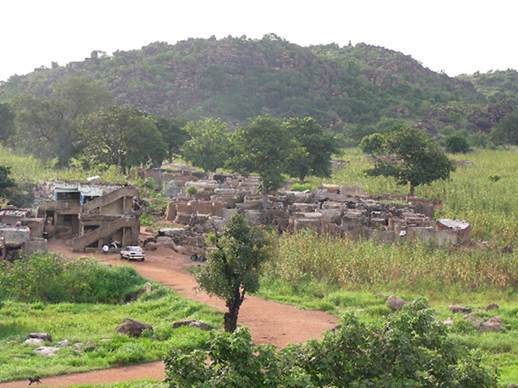
After extensive discussions with the village elders, the site team, and the local Ethics Committee, we ultimately agreed not to issue a finding on this matter.
Another challenge we encountered at the site was that many parents were unable to sign informed consent form due to illiteracy. In these cases, consent was documented using their fingerprints in place of a signature.
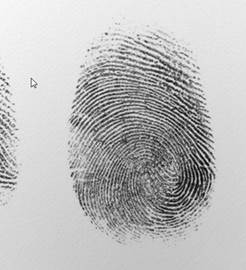
But how do you verify that the fingerprints truly belong to the parents—and not to someone on the trial team? To address this, we took three steps:
After reviewing fingerprints for hours, we were finally able to confirm that everything was in order. As I recall, the inspection resulted in only a few minor deviations, but the process required us to think creatively and approach several issues from completely new angles.
Like 25 years of archiving? Read more about this topic in the upcoming post.
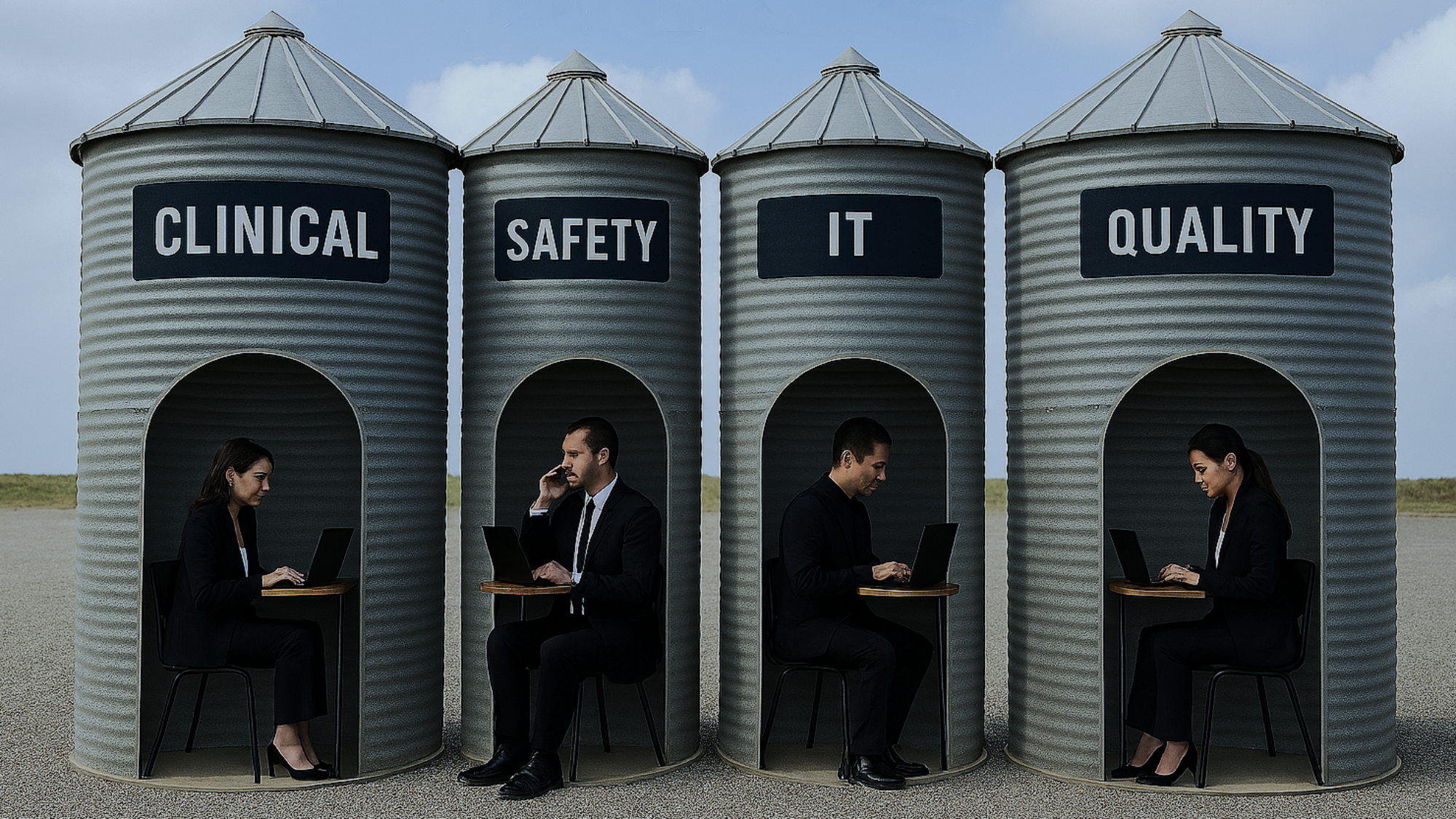
Who is our biggest enemy within GCP?
In this article, Katarina Thor, former GCP inspector, shares lessons from the real world.
Today, she uses mock inspections to help organizations see their processes end to end, break down silos, and start working as one team — long before inspectors walk through the door.