
By Katarina Thor
Fraud during GCP inspections is uncommon, but it does happen. Even small inconsistencies can reveal serious issues with data integrity or documentation. The cases below show how quickly problems can escalate during an inspection and why careful oversight is so important.
Locked in by the Investigator
During a routine GCP inspection at a clinical research site, when we started reviewing source documents, we immediately noticed irregularities. Vital signs copied across multiple visits, backdated entries, and investigational product logs that didn’t match the inventory logs.
When we requested additional records, the Principal Investigator abruptly stepped into the hallway and locked the office door from the outside. We were locked in!
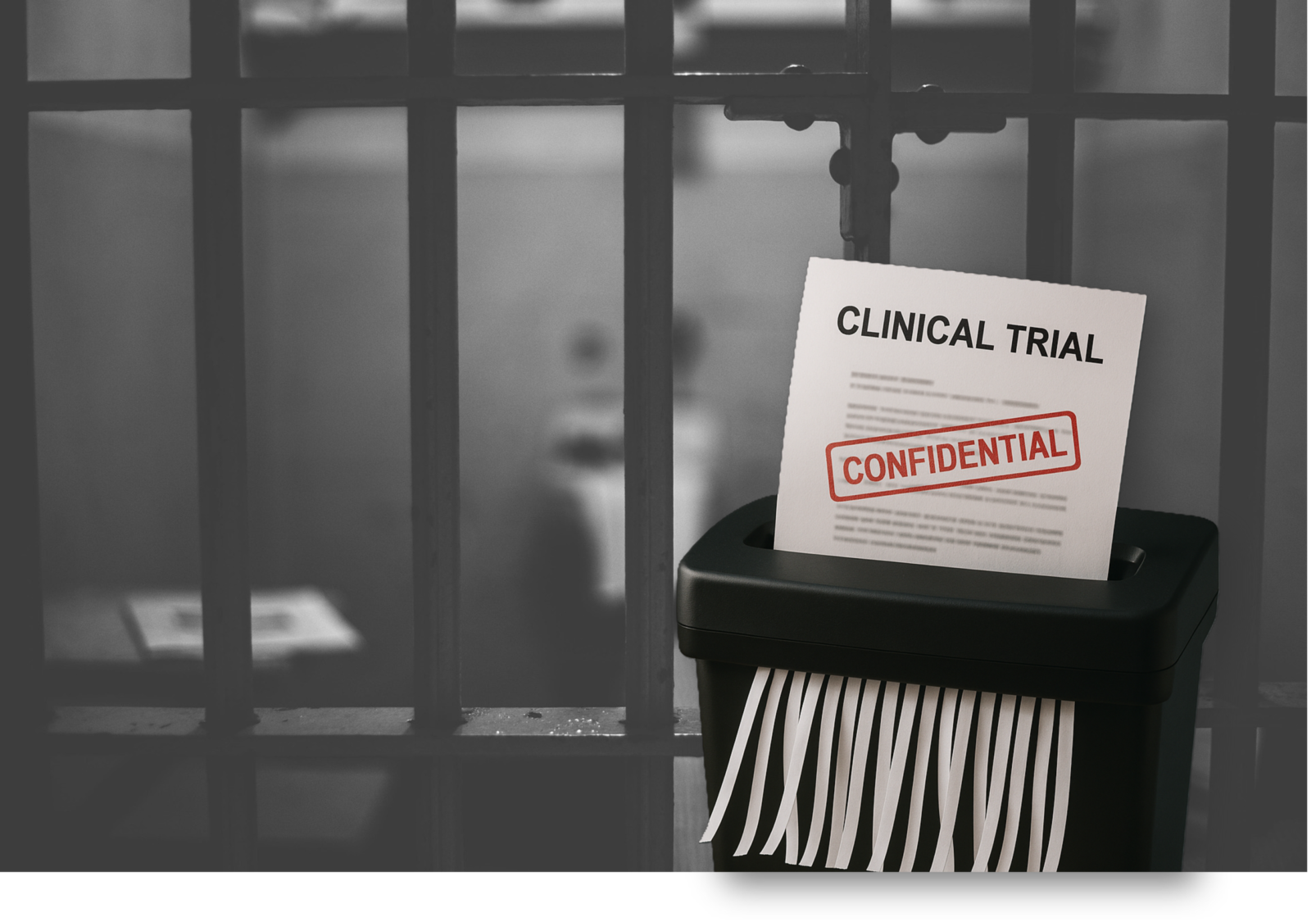
A moment later came the unmistakable sound of a paper shredder shrrrrrr…chunk….shrrrrrrr., running continuously just beyond the door.
Listening to that sound we realized that documents were being destroyed, but we couldn´t do anything, except to call our colleagues at the local health authority, which alerted the police.
Within minutes, police arrived at the clinic, forced open the locked door and we were let out. The Investigator was all long gone, and I do have to admit that I was a bit scarred …
The investigation conducted later by the local Heath Authority revealed extensive backdating, unauthorized alterations to source data, and fabricated vital sign entries, far beyond what we originally suspected.
We got vaccine for free at the factory!
This was a for cause inspection, but it started just like any other inspection, as we did not want the clinic to think that we suspected fraud.
The clinic looked spotless, the documents were perfectly organized, and every patient file seemed almost too complete.
We compared visit dates, signatures, and vaccine administration records, and a pattern emerged: every patient listed had identical handwriting in the paper diaries, identical timing for their visits, and the ECG looked the same. It was as if the study participants didn’t really exist.
As this inspection was conducted with the inspectors from the local Health Authority, we asked them to contact the Ethic Committee to ask for permission to contact the participants. The approval was given immediately.
When we asked the Investigator if we could meet with one of the study participants, the site staff hesitated, but after several requests, the truth finally surfaced.
The “patients” were actually workers from a local factory. The investigator had visited the factory and recruited them without explaining that this was a clinical trial. He told them the vaccine was simply a free health service provided by the factory owner. No informed consent was ever discussed or signed, and none of the workers knew they were taking part in research.
For this the Investigator were sent to prison and of course the data could not be used.